
Creating a relaxing home office environment is essential for maintaining focus, reducing stress, and improving overall productivity. Whether you work remotely full-time or occasionally need a dedicated space for projects, your home office should be a place where you feel comfortable and motivated. In this post, we’ll explore practical tips to help you design a peaceful, inviting workspace that supports your work and well-being.
Why a Relaxing Home Office Matters
Spending long hours in a stressful or cluttered space can negatively affect your mood and productivity. A calming home office not only helps you stay organized but also enables you to approach tasks with a clearer, more focused mindset. By thoughtfully designing your workspace, you create an environment where work feels less like a chore and more like an enjoyable, creative experience.
Choose the Right Location
Consider Natural Light
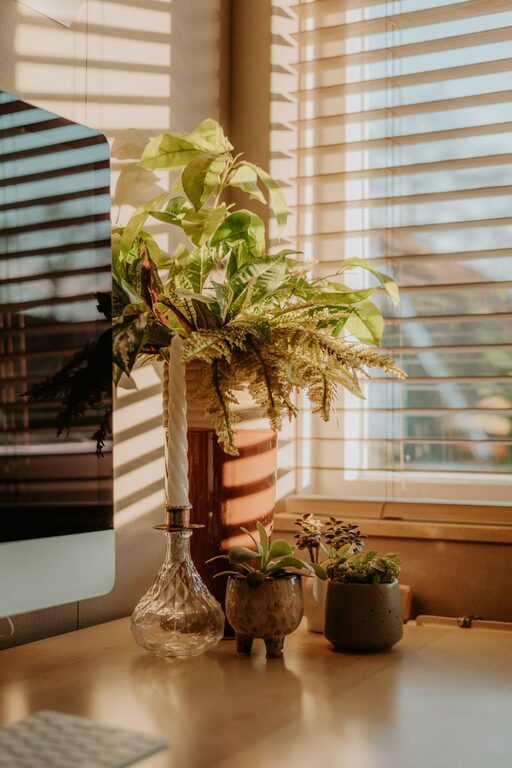
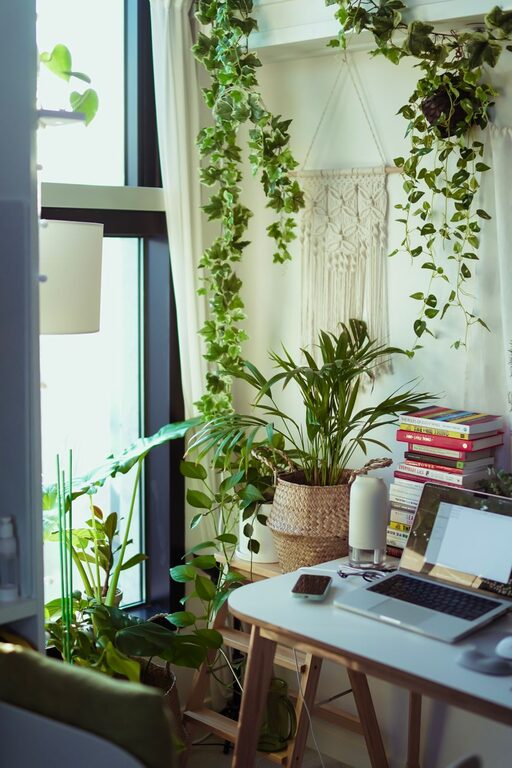
Position your desk near a window if possible. Natural light has been shown to boost mood, reduce eye strain, and increase energy levels. Avoid placing your computer screen directly in front of a window, which can cause glare, but try to enjoy daylight streaming into the room.
Minimize Distractions
Find a quiet corner or room where you can work with minimal interruptions. If you share your home with family or roommates, communicate your working hours and boundaries to help create a respectful workspace.
Optimize Your Desk Setup
Invest in Comfortable Furniture
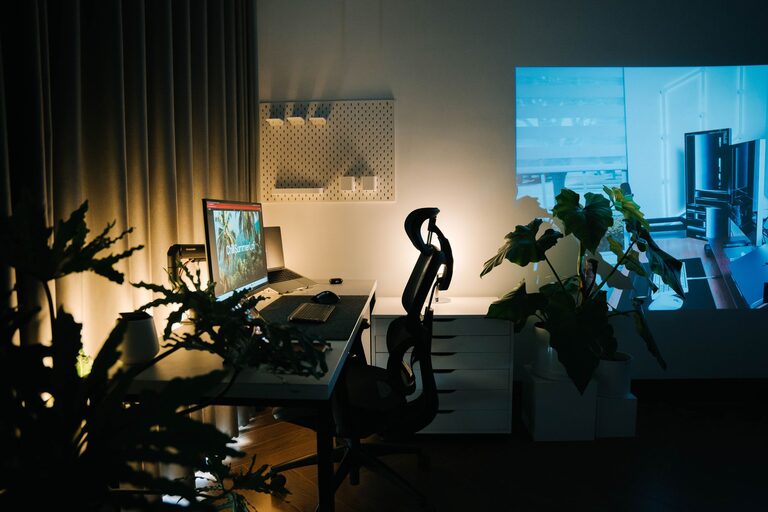
Choose a supportive chair with adjustable height and good lumbar support. Your desk should be the right height to allow your arms to rest comfortably while typing. Comfort reduces physical strain and helps you stay focused longer.
Declutter Regularly
Keep only essential items on your desk to avoid distractions and create a sense of order. Use organizers, trays, or drawers to store supplies neatly. A tidy space can clear your mind and improve concentration.
Personalize Thoughtfully
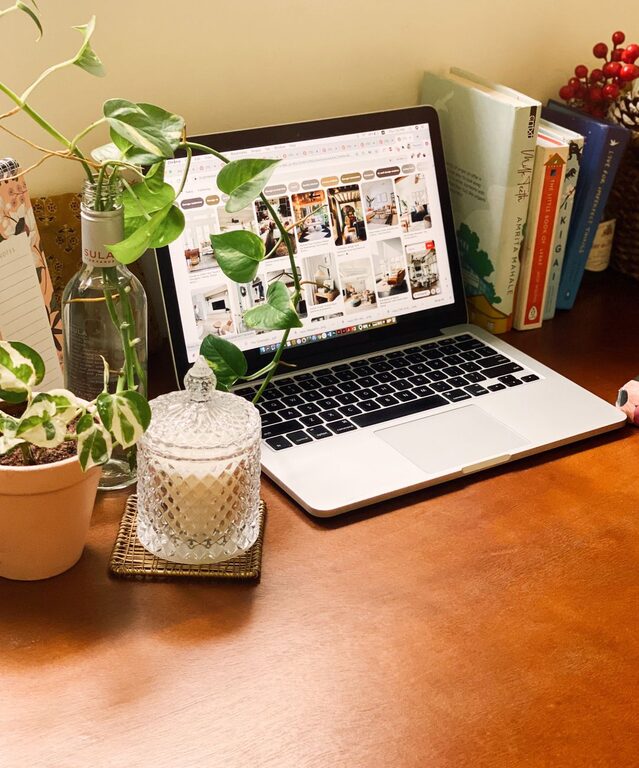
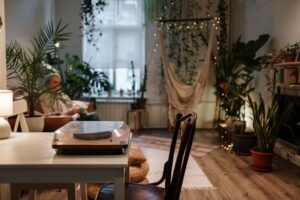
Add a few personal touches like photos, plants, or artwork to make the space feel welcoming. Avoid overdecorating, which can create a cluttered or chaotic atmosphere.
Use Calming Colors and Decor
Choose Soft, Neutral Colors
Colors like soft blues, greens, and light earth tones can promote calmness and reduce stress. Consider painting your walls or incorporating these colors through furniture and accessories.
Incorporate Natural Elements
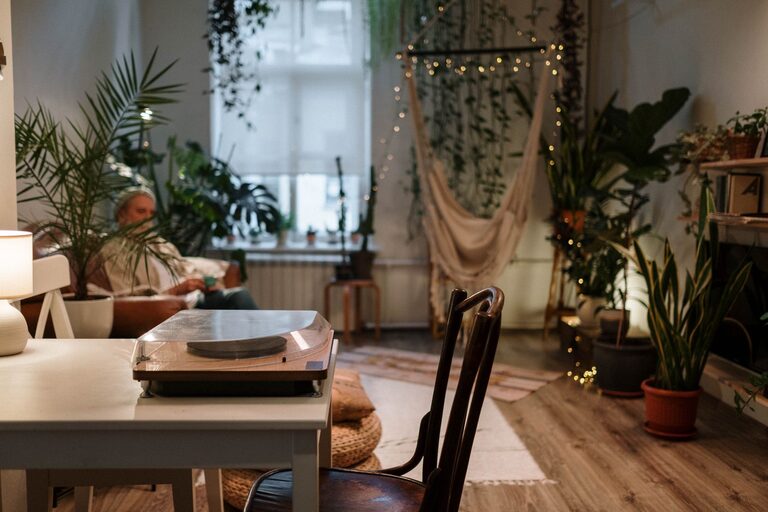
Plants not only improve air quality but also bring a soothing touch of nature indoors. Succulents, ferns, or small potted plants are low-maintenance and visually refreshing.
Manage Lighting
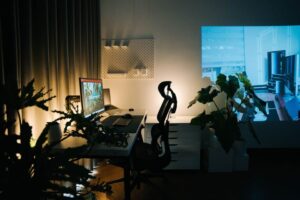
In addition to natural light, use adjustable lamps with warm bulbs to prevent harsh lighting. Consider dimmable options so you can control brightness according to the time of day and mood.
Enhance Air Quality and Comfort
Ventilation and Fresh Air
Keep windows open when weather allows to circulate fresh air. Good ventilation helps you stay alert and prevents stuffiness.
Maintain Comfortable Temperature
Ensure your workspace is neither too hot nor too cold. Use fans, heaters, or humidifiers as needed to maintain a comfortable atmosphere, which will support focus and comfort.
Incorporate Productivity-Boosting Tools
Use a Quality Headset or Noise-Canceling Headphones
These can help block out distracting noises, especially if your home environment is busy or noisy.
Keep Essential Technology Organized
Place your computer, chargers, and accessories in easy-to-reach spots to maintain efficiency. Use cable organizers to prevent tangles and clutter.
Create a Routine and Boundaries
Set Work Hours
Define clear start and finish times to help separate work from personal life. This structure supports mental well-being and helps maintain relaxation outside work hours.
Take Regular Breaks
Schedule short breaks to stretch, walk around, or meditate. These moments refresh your mind and prevent burnout.
Designate a Transition Ritual
Creating a small habit, like tidying your desk or enjoying a cup of tea at the end of your workday, can help your brain switch from work mode to relaxation mode.
Final Thoughts
Designing a relaxing home office is about combining comfort, organization, and personalization to build a space where you look forward to working. By considering light, furniture, colors, and daily routines, you can transform any room into a calm and productive environment. Remember, creating a space that feels good for you is the key to long-term success and satisfaction with your work-from-home setup. Take your time adjusting your office until it fits your needs, and enjoy the positive impact on your productivity and well-being.