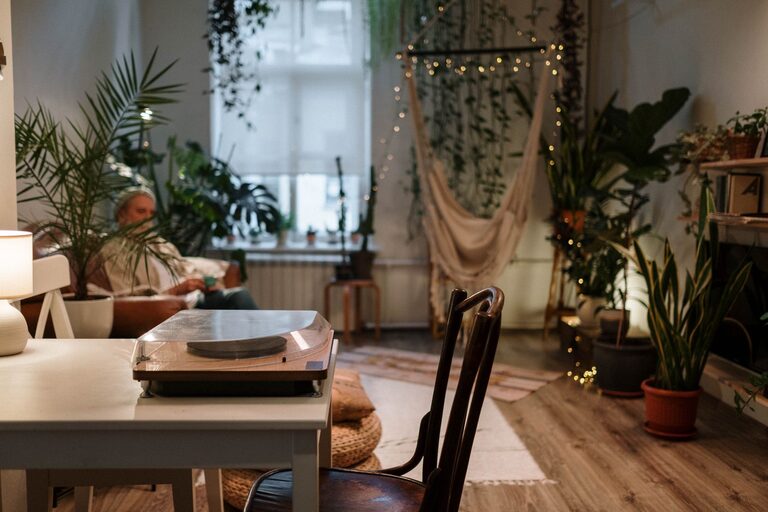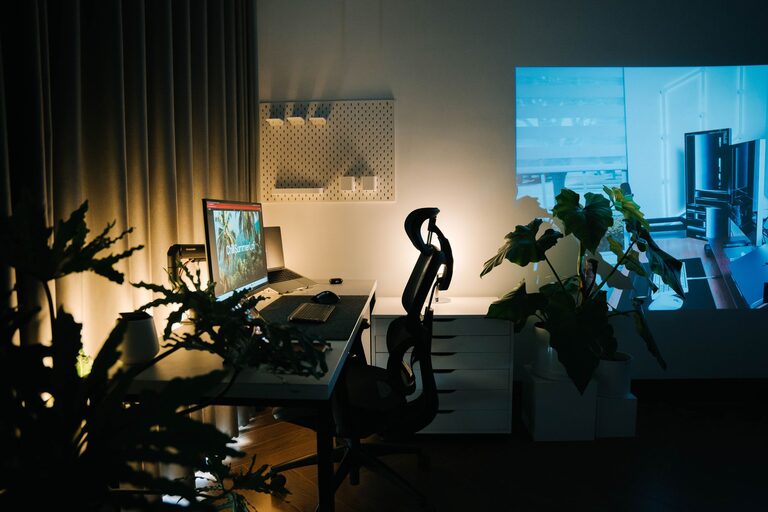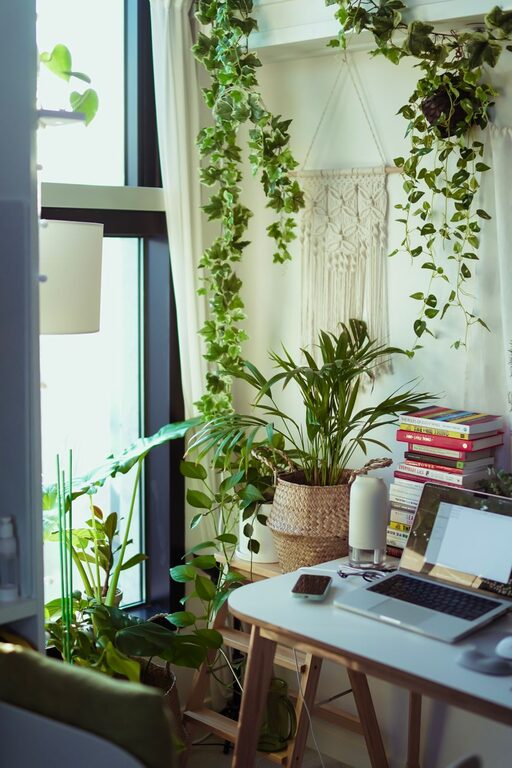



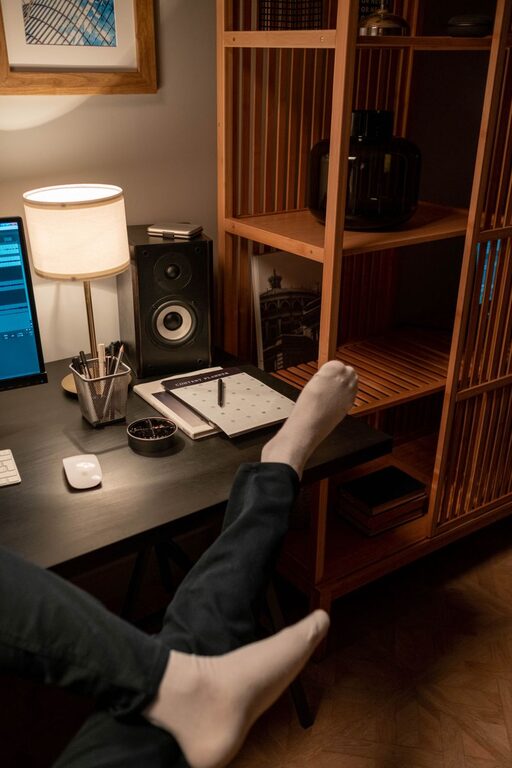
Creating a relaxing home workspace is essential for anyone looking to boost productivity while maintaining comfort throughout the workday. Whether you work remotely full-time or occasionally need a peaceful spot to focus, setting up an environment that reduces stress and encourages efficiency can make a big difference. In this post, we will explore practical tips to help you create a home workspace that feels inviting, organized, and conducive to getting work done.
Why a Relaxing Workspace Matters
A cluttered or uncomfortable workspace can lead to distractions, fatigue, and lower motivation. Conversely, a calm and well-designed area can:
– Improve your focus and concentration
– Reduce stress and fatigue
– Encourage better posture and physical health
– Make working more enjoyable, which can support creativity and productivity
With that in mind, let’s dive into specific ways you can create a relaxing and productive home workspace.
Choose the Right Location
Find Natural Light
Natural lighting can reduce eye strain and improve mood. Try to set up your workspace near a window where you can benefit from daylight. If natural light is limited, consider full-spectrum bulbs or daylight lamps to simulate sunlight.
Minimize Noise and Distractions
Pick a quiet corner or room that allows you to focus. If you can’t avoid noise, noise-cancelling headphones or a white noise machine may help drown out distractions.
Invest in Comfortable Furniture
Ergonomic Chair and Desk
Comfort is key to maintaining focus for long periods. An ergonomic chair provides proper lumbar support and encourages good posture. Pair it with a desk at the right height to prevent strain on your wrists, shoulders, and neck.
Adjustable Desk Options
Consider a sit-stand desk to vary your position throughout the day. Changing your posture can help reduce stiffness and boost alertness.
Personalize Your Space
Adding personal touches can make your workspace feel more welcoming, which encourages productivity.
– Plants: Indoor plants improve air quality and add a calming natural element.
– Artwork: Choose inspiring images or quotes that motivate you.
– Decor: Use colors and decorations that promote relaxation but keep the space uncluttered.
Keep it Organized and Clutter-Free
An organized workspace reduces mental clutter and keeps you more focused.
– Use drawer organizers or desk trays to keep supplies neat.
– Limit what you keep on your desk to essentials.
– Regularly declutter and tidy to maintain a clean environment.
Optimize Lighting and Screen Setup
Proper Lighting
Apart from natural light, use task lighting like desk lamps with adjustable brightness. Avoid overhead lights that cause glare on your screens.
Screen Position
Keep your computer monitor at eye level and about an arm’s length away. This setup helps prevent neck and eye strain.
Take Breaks and Create Zones
Schedule Regular Breaks
Short breaks throughout the day help maintain productivity and reduce fatigue. Try techniques like the Pomodoro method: 25 minutes of focused work followed by a 5-minute break.
Create Separate Zones
If space allows, designate areas for different activities. For example:
– Workspace for focused tasks
– Reading nook for brainstorming or learning
– Relaxation corner for breaks
Separating these zones helps your brain associate each with a specific mindset.
Use Technology Wisely
Minimize Digital Distractions
Turn off non-essential notifications while working. Use apps to block distracting websites during focus periods.
High-Quality Equipment
Reliable, fast internet and quality peripherals (keyboard, mouse, headset) make work more efficient and less frustrating.
Maintain Good Air Quality and Temperature
Fresh air and a comfortable temperature contribute to well-being.
– Open windows when possible to ventilate the room.
– Use a fan or heater to maintain a comfortable climate.
– Consider an air purifier if needed.
Maintain Healthy Habits
Stay Hydrated and Nourished
Keep water and healthy snacks at hand to stay energized.
Incorporate Movement
Stretch or do light exercises during breaks to reduce tension from sitting.
—
Creating a relaxing home workspace is about blending comfort with practicality. By setting up your space thoughtfully, you not only improve your productivity but also make working from home a more enjoyable and sustainable experience. Follow these tips to design an environment that supports both your professional goals and personal well-being.